Table of Contents
Choosing the right portable light is easier when you start with how you'll use it. A headlamp, flashlight, and work light can all light a dark space, but they solve different problems.
If you're moving and need both hands, a headlamp is usually the easiest choice. If you want to aim light into a tight space or farther down a trail, a flashlight gives you more control. If the job stays in one place, a work light can keep the area lit while you work.
So instead of comparing maximum lumens first, think about how and where you'll use the light.
Use a headlamp when you need hands-free light, a work light for a fixed workspace, and a flashlight when you need to aim the beam yourself.
Headlamp vs. Flashlight vs. Work Light: Quick Comparison
| Light Type | Best For | Biggest Advantage | Main Trade-Off |
|---|---|---|---|
| Headlamp | Repairs, hiking, camping, hands-on tasks | Hands-free light that follows your view | The beam moves when your head moves |
| Work Light | Garage work, car repair, workbenches, DIY | Stable, wide-area illumination | Less convenient when you're moving |
| Flashlight | EDC, inspections, emergencies, outdoor use | Portable, independent beam control | Usually takes up one hand |
What's the Real Difference?
Headlamp: Best When Your Hands Are Busy
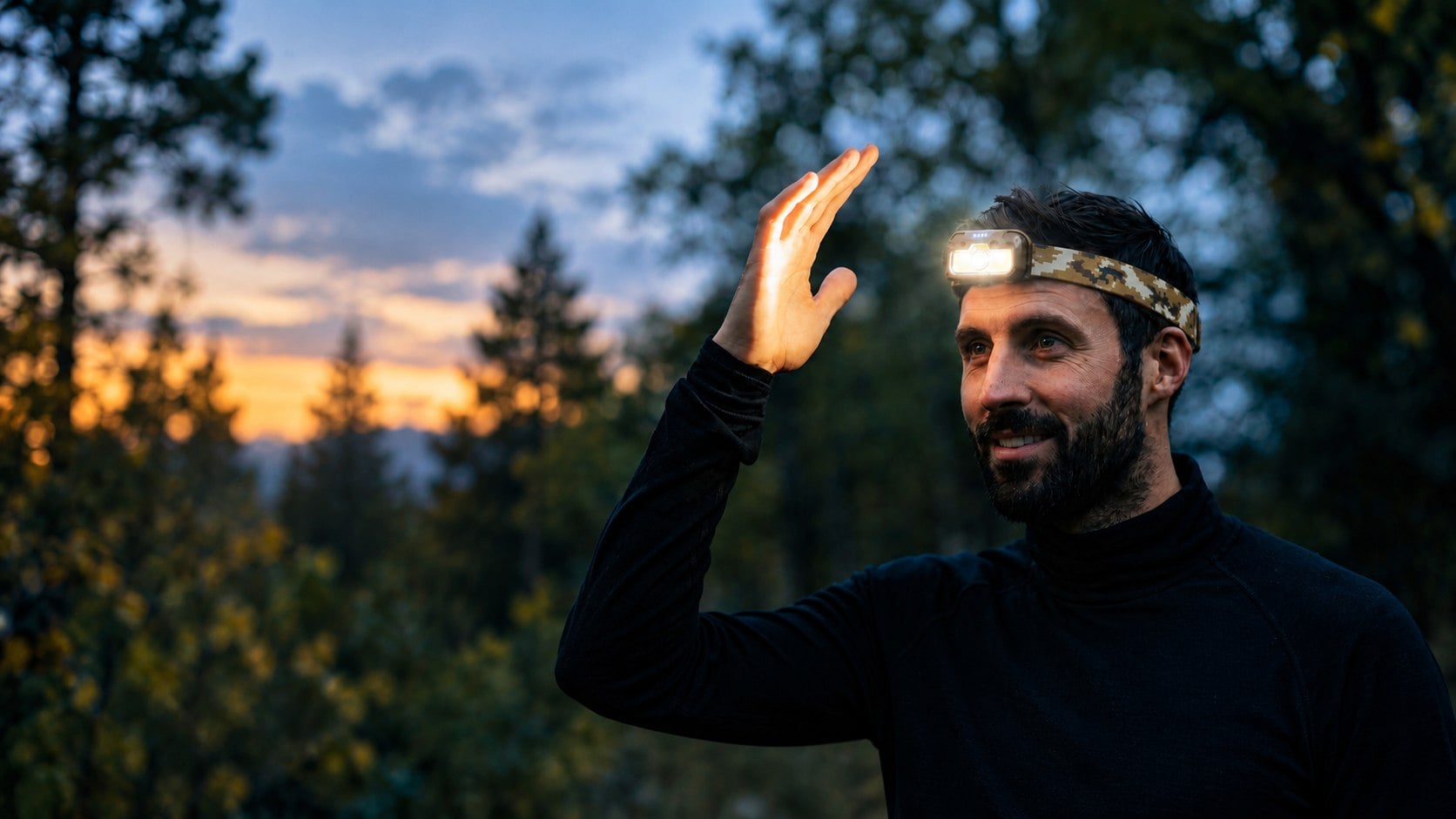
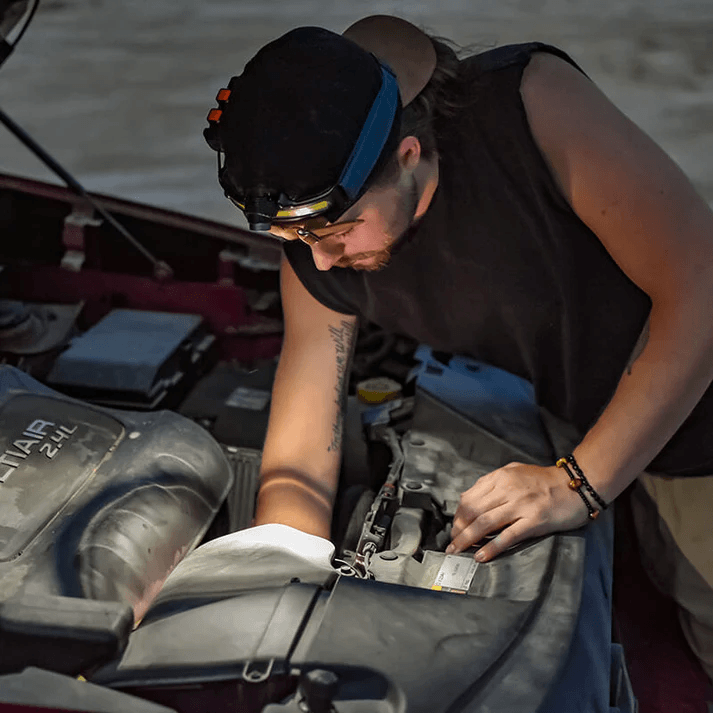
A headlamp shines where you look, which is why it works so well when you're repairing something, carrying gear, or setting up camp after dark.
The downside is just as obvious: the beam follows your head. Look away from the task and the light goes with you. For close work, that's usually fine. If one area needs to stay lit while you look elsewhere, it can get annoying.
The National Park Service's Ten Essentials guidance includes reliable illumination for outdoor trips and recommends headlamps because they keep your hands free.
The HOKOLITE 6829 fits this kind of use well. Its 230° wide beam covers the area around you, while a 90° adjustable spotlight lets you direct light toward the ground or the task in front of you. Motion-sensor control can also help when your hands are occupied.
Work Light: Better When the Job Stays Put
Under a hood or at a workbench, you usually don't want to hold a flashlight in one hand while trying to loosen a bolt with the other. That's where a work light makes more sense.
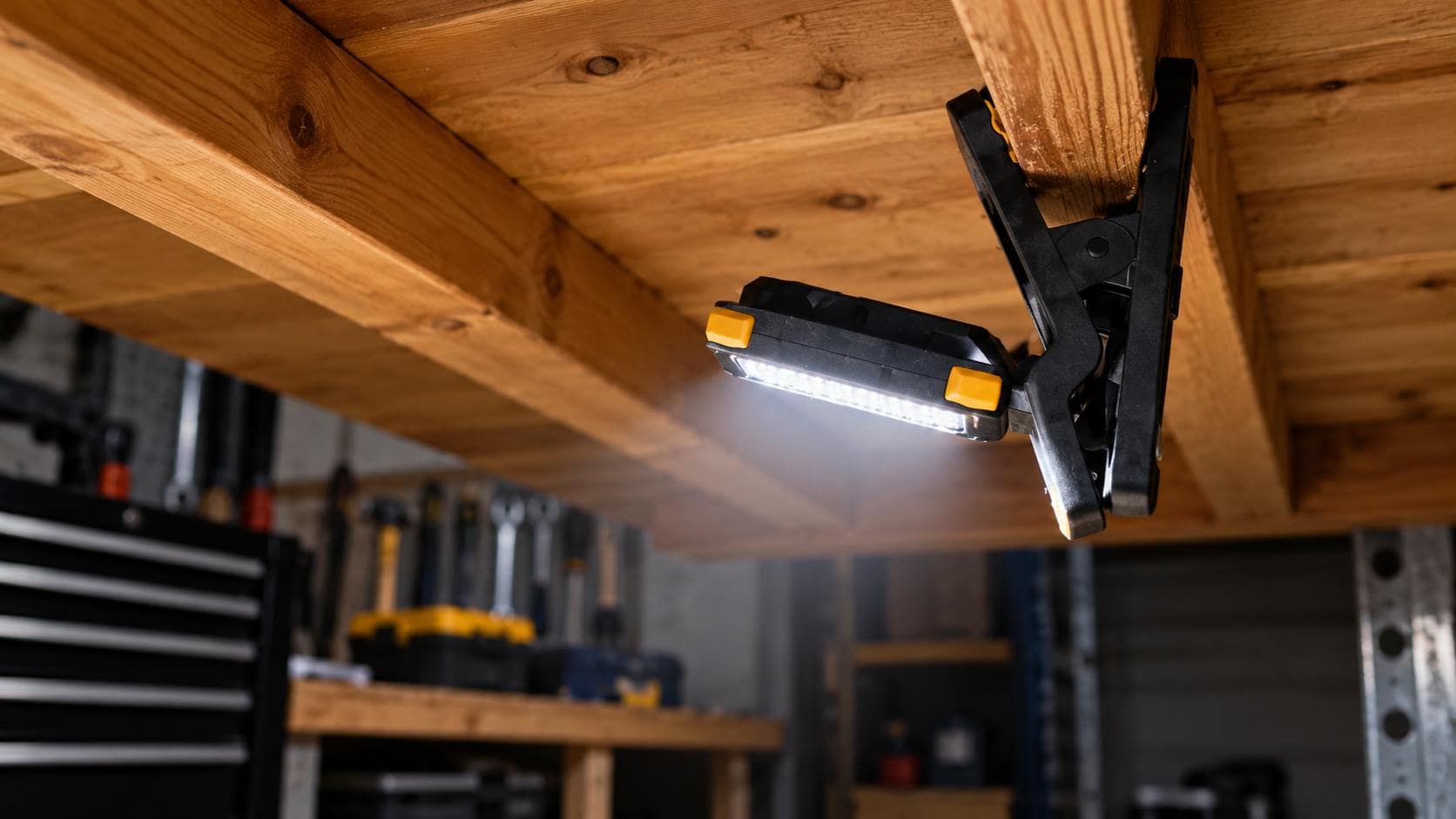
Instead of carrying it, you set it where the work is—clamped, attached to metal, hung nearby, or placed on a surface. Once the light is aimed, it stays there.
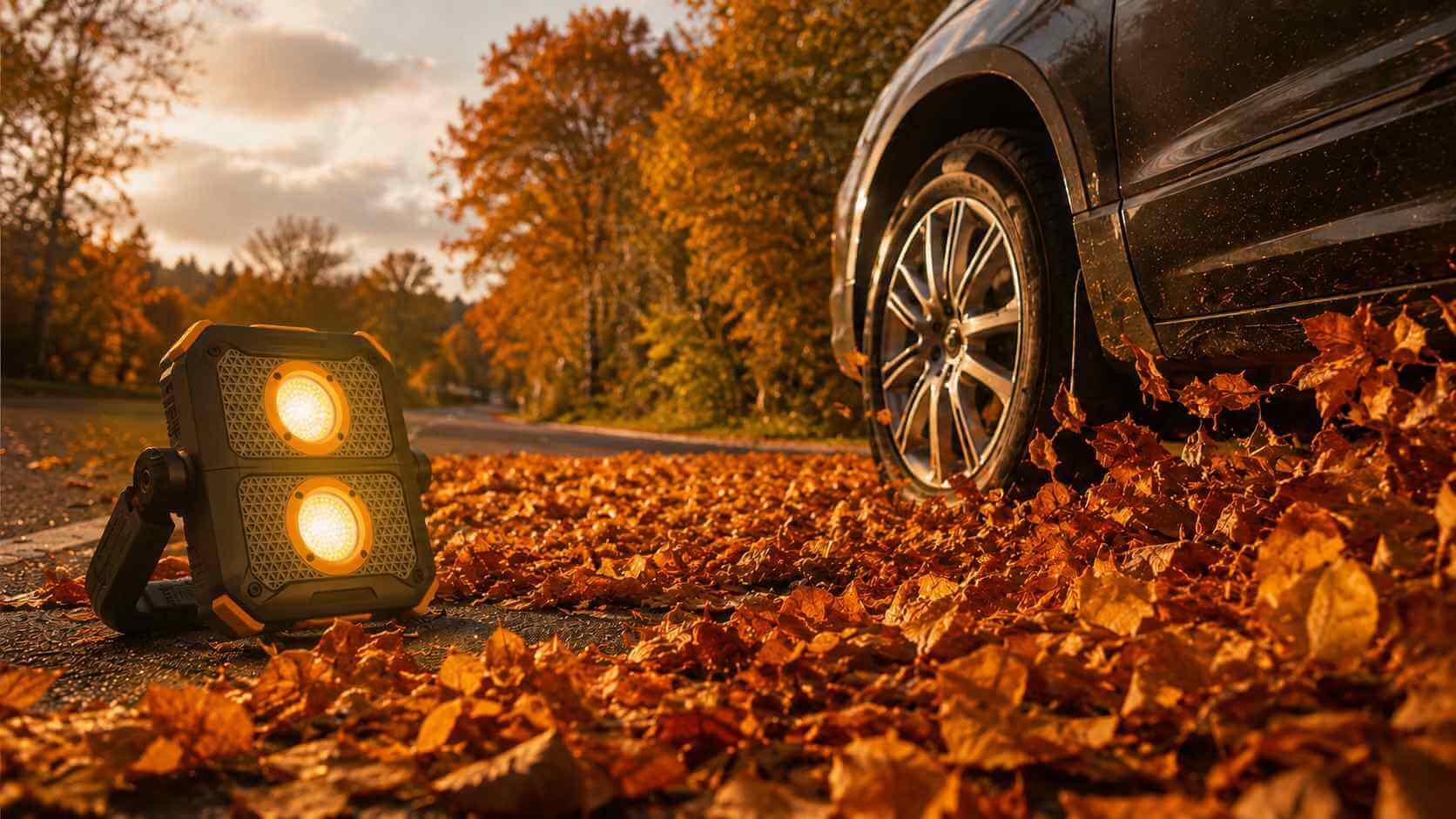
The HOKOLITE ADELANTE W3 is built around that idea. It can be secured with a clamp, attached with its magnetic base, placed on a surface, or hung near the work area. Flood and spot modes let you switch between lighting a larger workspace and checking a more focused area.
For car repair, garage projects, and home maintenance, that stable lighting is often more useful than chasing the highest lumen number. If most of your projects happen around the house or garage, our guide to choosing a work light for home repairs goes deeper into the features that matter.
Flashlight: More Control Over Where the Beam Goes
A flashlight earns its place when you need to check something quickly, point light into a narrow space, then move on.
You can look straight ahead while aiming the beam under a vehicle, behind equipment, inside a cabinet, or farther down a trail. That independent beam control is the biggest difference between a flashlight and a headlamp.
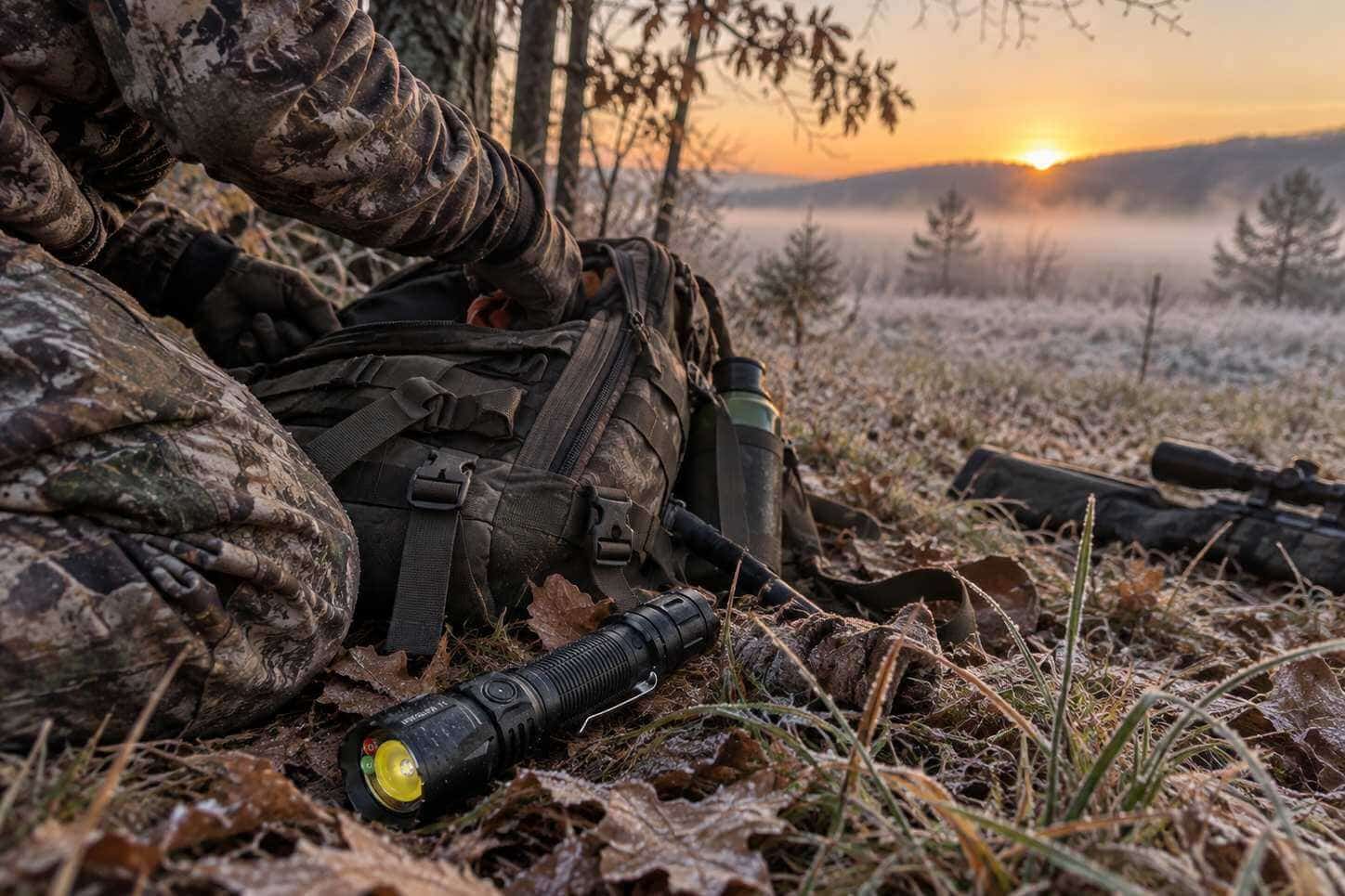
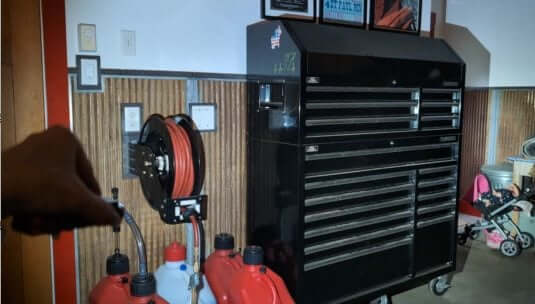
The HOKOLITE LEXALL E6 shows how these categories can overlap. Its spotlight reaches up to 200 meters, while its floodlight reaches 65 meters for closer work. A magnetic tail can also hold the light on a metal surface when you need a temporary hands-free setup.
Still, the core advantage of a flashlight is simple: it's easy to carry and easy to aim.
Which Light Should You Use for Different Jobs?
| Situation | Best Starting Point | Why |
|---|---|---|
| Working under a car hood | Work Light | Keeps the work area continuously illuminated |
| Tight repair using both hands | Headlamp | Light follows where you're looking |
| Inspecting a small space | Flashlight | Easy to direct into a specific area |
| Changing a tire at night | Headlamp + Work Light | Personal light plus stable task lighting |
| Hiking or walking | Headlamp | Keeps both hands free while moving |
| Looking farther down a trail | Flashlight | Easier to aim independently |
| Workbench project | Work Light | Provides steady area lighting |
| Everyday carry | Flashlight | Compact and quick to access |
| Power outage | Flashlight + Work Light | Mobile lighting plus stationary area lighting |
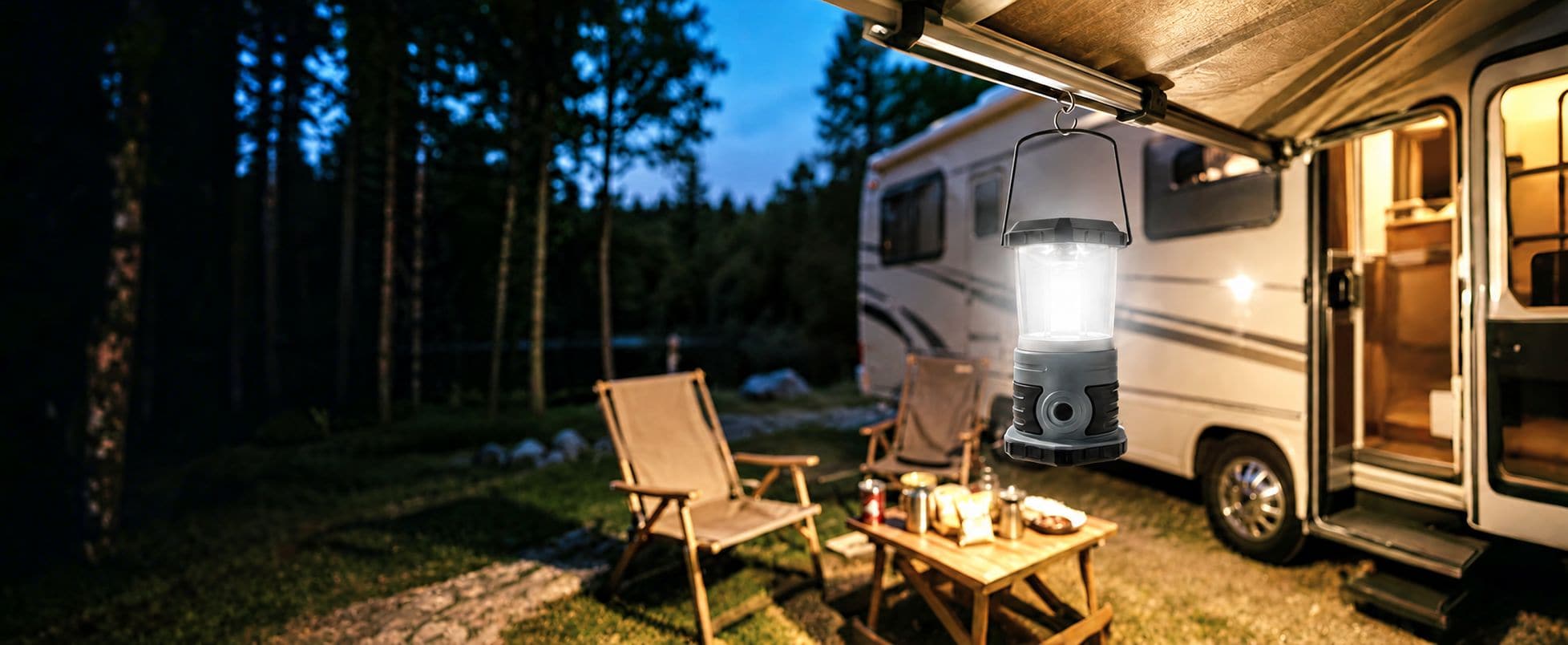
| Camping | Headlamp + Flashlight or Work Light | Hands-free movement plus campsite lighting |
For outdoor use, carry a dedicated light even if you expect to be back before dark. The National Park Service includes a flashlight or headlamp among its Ten Essentials, with headlamps recommended because they keep your hands free.
Don't Choose by Lumens Alone
When comparing portable lights, don't focus on lumens alone. A bigger lumen number looks impressive, but it doesn't tell you everything about how a light will behave.
For close-range repairs, a broad flood beam may be more useful than a tight spotlight. If you're checking farther down a trail or inspecting something at a distance, the opposite is true.
The current ANSI/PLATO FL 1-2025 standard reflects this. Portable lights are evaluated by separate measures such as light output, beam distance, peak beam intensity, and runtime.
Runtime matters too. Compare the modes you're actually likely to use, not just the highest output setting. Controls should also be simple enough to operate with gloves on or tools in hand.
Sometimes Two Lights Work Better Than One
You don't need three lights for every job. But two different types can solve different problems.
During a roadside repair, a headlamp can keep light on whatever you're looking at while a work light covers the tire, engine bay, or surrounding area. A flashlight can help you inspect narrow gaps or hard-to-reach areas. For a more detailed vehicle setup, see our guide to car repair lights for roadside emergencies.
A simple way to think about it:
- A flashlight helps you find the problem.
- A headlamp lets you work on it.
- A work light keeps the area visible.
Before You Buy, Think About the Job
Before comparing lumen numbers, picture how you'll actually use the light. Will you be moving? Do you need both hands free? Are you lighting an entire workspace or one small area? How far do you really need to see? Would you rather wear the light, mount it, or keep it in your pocket?
Those answers usually tell you more than the biggest number on the box.
Choose the Light Around the Task
No single light works best for every task.
A headlamp works best when the light needs to move with you. A work light makes more sense when the job stays in one place. A flashlight is the better fit when you want to carry the light and aim it independently.
Once you know which type fits the way you work, choosing the right model gets much easier. From there, you can compare HOKOLITE headlamps, work lights, and flashlights by beam pattern, runtime, mounting options, and portability—not just maximum lumens.