Table of Contents
Fall camping is hard to beat. The air is cooler, summer crowds start to disappear, and a campsite you've visited before can feel completely different once the leaves change.
The early sunset is the part that's easy to forget.
You arrive a little later than planned, start unloading the car, and suddenly you're trying to find tent stakes in the dark. Or dinner takes longer than expected and you're still cooking when the light is gone.
That's when the right camping lights matter.
You don't need the brightest light you can find. What you need depends on where you'll use it, how long it needs to run, and whether you're sitting at the picnic table or walking away from camp.
Lantern or Headlamp?
This is the easiest place to start.
If you want light around a table, tent, or cooking area, bring a lantern. If you want the light to move with you, a headlamp is usually the better choice.
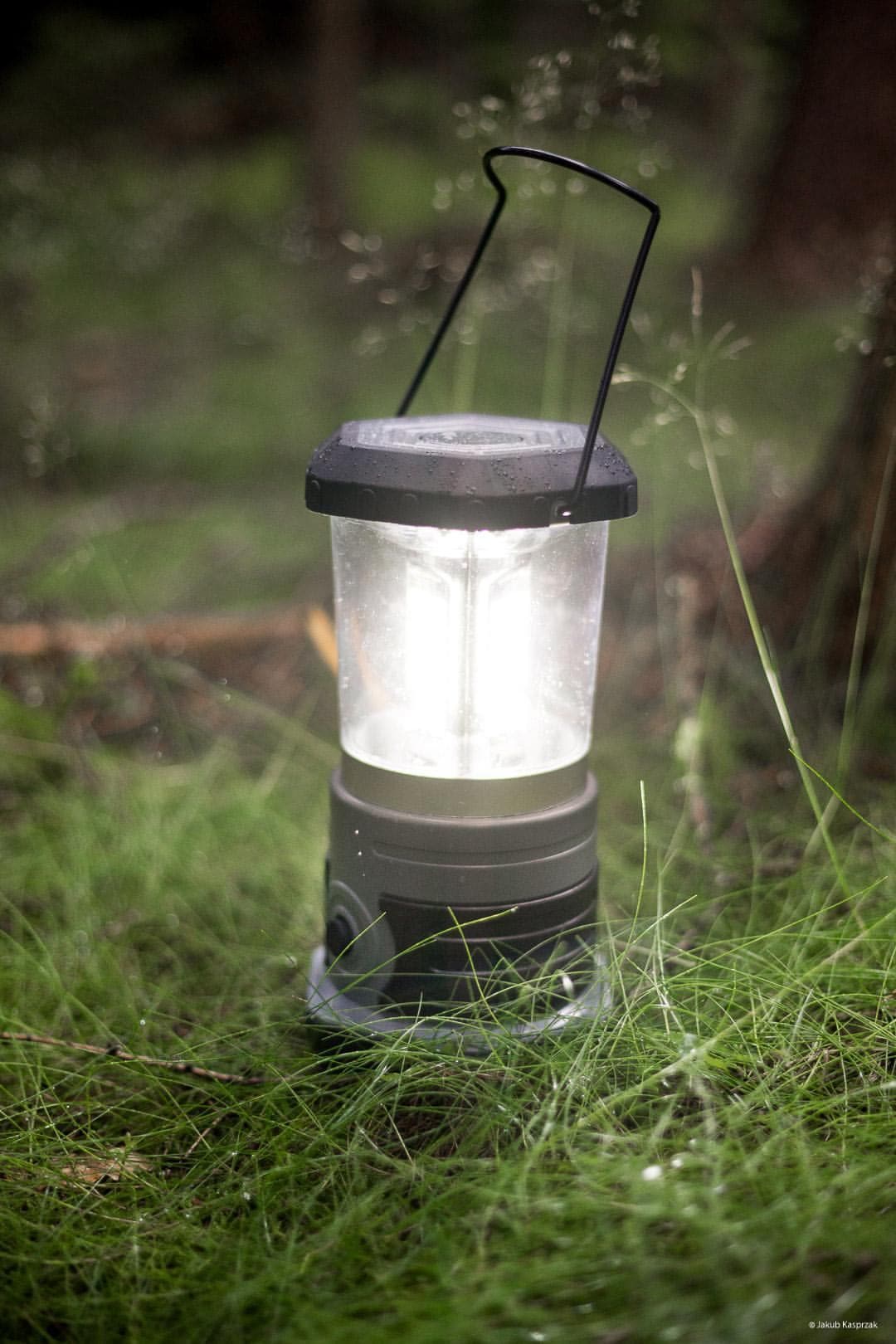
A lantern throws light across a wider space. Put one in the middle of the table and everyone can see dinner, cards, or whatever gear is spread out in front of them. It also works well inside a tent when you don't want to hold a flashlight the whole time.
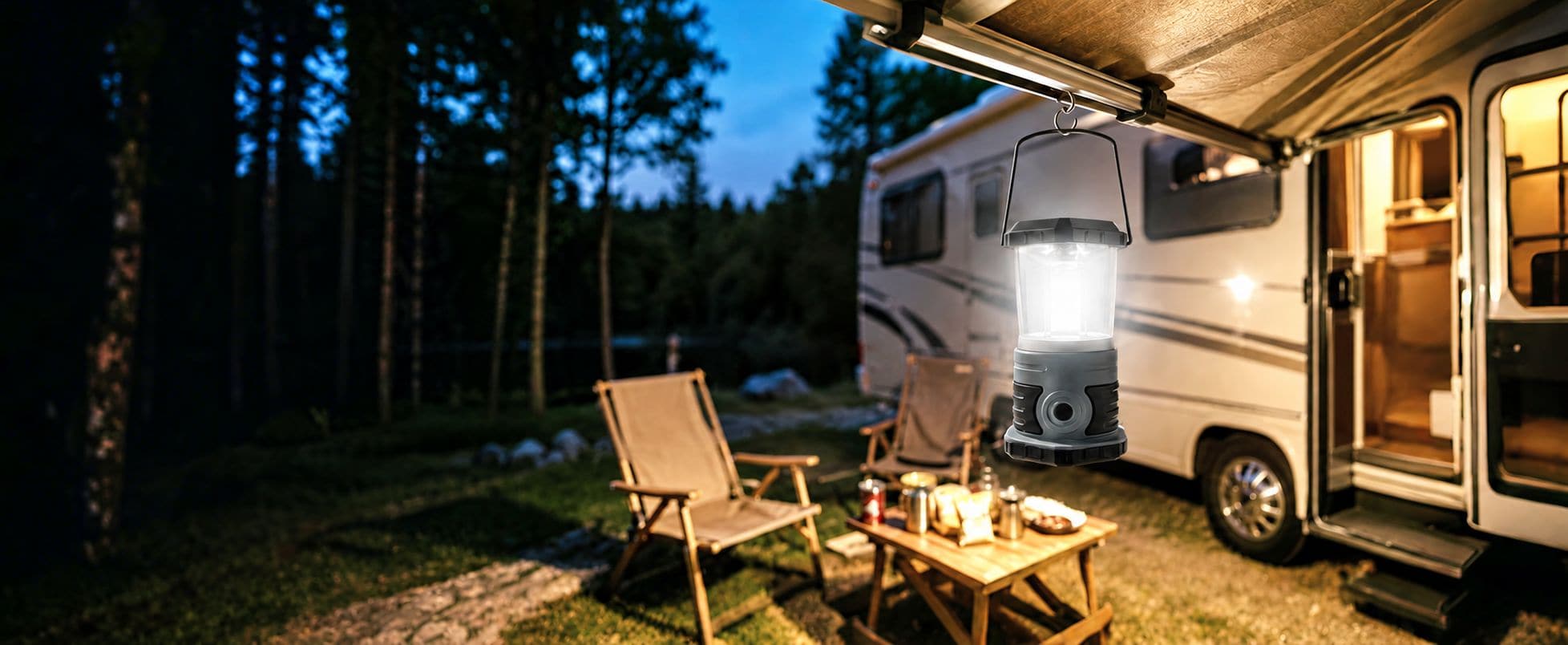
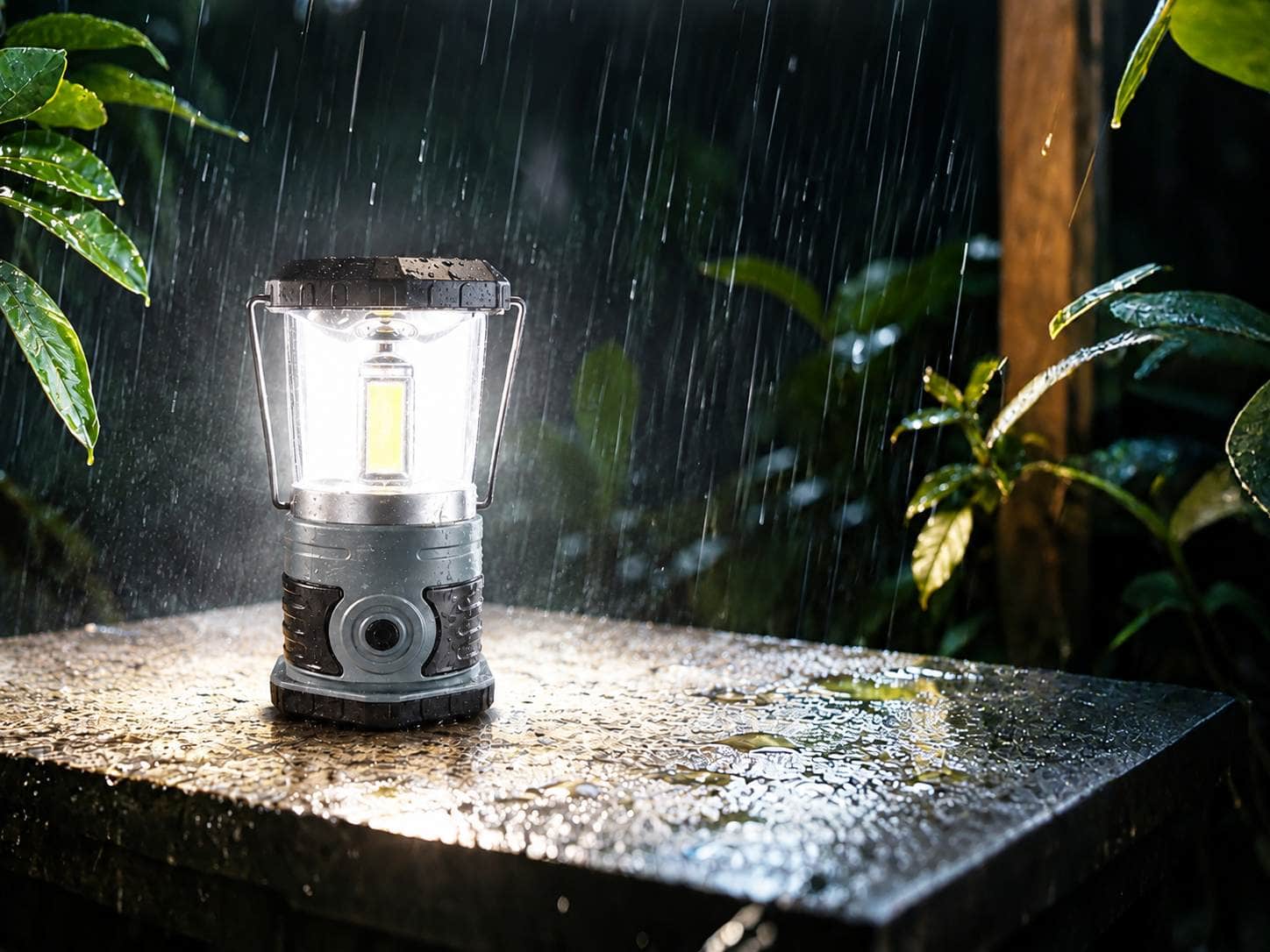
The HOKOLITE C7 Camping Lantern is built for that kind of job. Its 360-degree lighting makes more sense around camp than it would on a trail.
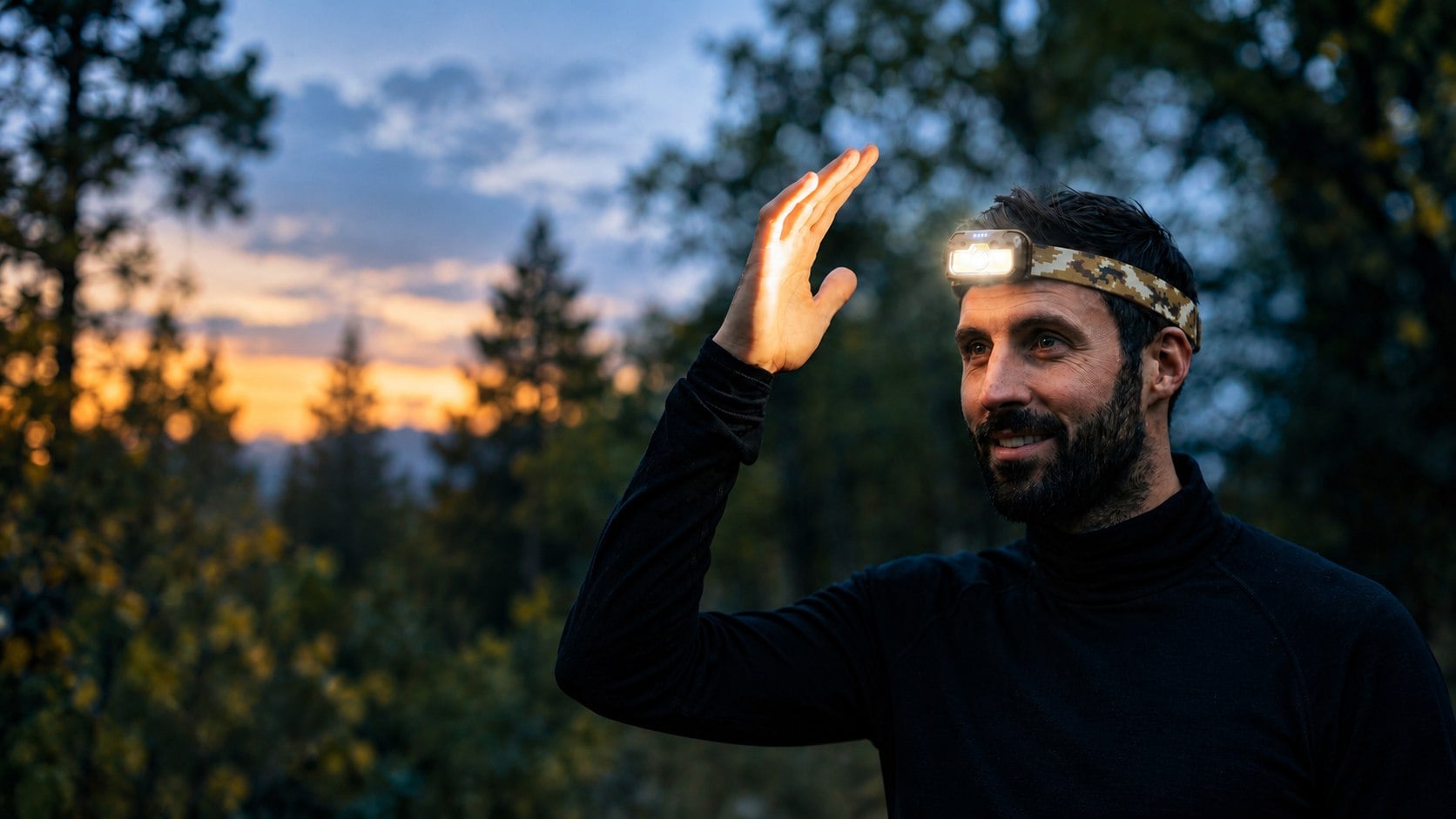
A headlamp is different. You wear it, so your hands stay free.
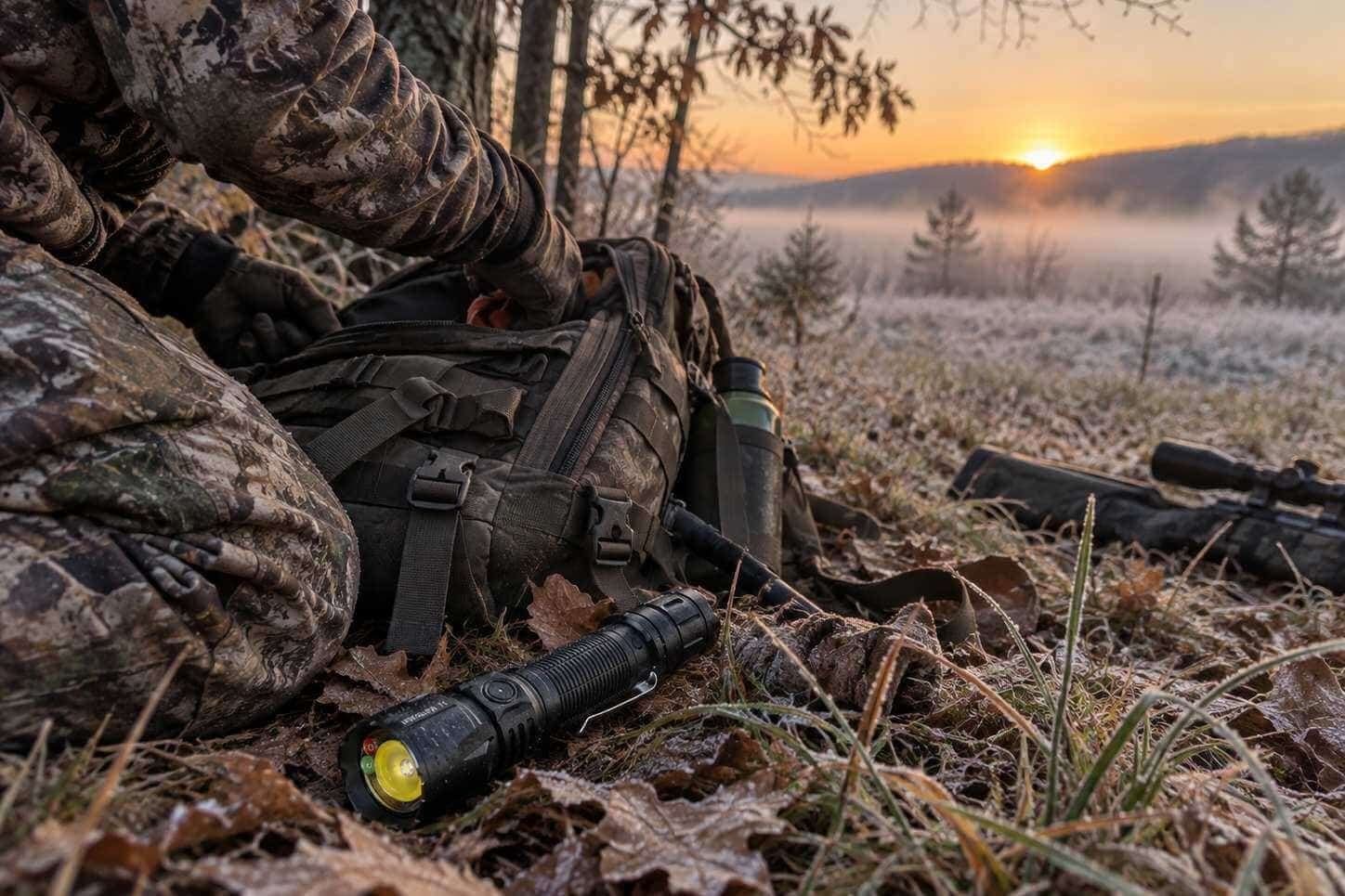
That's useful when you're setting up a tent, carrying firewood, checking a stove, or walking to the restroom after dark. The HOKOLITE R1 Camo Headlamp has both spot and flood lighting, so it works well for both close-up tasks and seeing farther ahead.
Do you need both?
For most fall camping trips, bringing one lantern and one headlamp is a pretty practical setup.
How Many Lumens Are Enough for Camping?
This is where people often get distracted by the biggest number on the box.
A 1,500-lumen light sounds impressive, but you probably don't want that much light shining across a picnic table while you're eating dinner. On the other hand, 50 lumens may feel fine inside a tent and too dim outside.
A rough guide:
| What you're doing | A useful range |
|---|---|
| Reading in a tent | 50–150 lumens |
| Cooking or sorting gear | 100–300 lumens |
| Lighting a picnic table | 200–500 lumens |
| Walking around camp | 200–400 lumens |
| Lighting a larger campsite | 500–1,000+ lumens |
Treat those numbers as a starting point, not a rule.
The beam matters just as much. A wide beam can make 300 lumens feel very useful at close range, while a narrow beam sends that light farther away.
For camping, adjustable brightness is often more useful than maximum brightness.
Pay Attention to the Beam
If you've ever used a flashlight that was bright but somehow still annoying around camp, the beam was probably part of the problem.
A wide beam is easier to live with when you're cooking, opening a cooler, or looking through a gear bag.
A narrow spot beam makes more sense when you're trying to see farther down a path.
Lanterns solve the problem in another way by spreading light around the area instead of aiming it in one direction.
This is also why comparing camping lights by lumens alone doesn't tell you much. Two lights can have similar output and feel completely different once you're actually outside.
Battery Life Matters More in Fall
In summer, you might not need a light until late in the evening.
By fall, you may turn one on before dinner.
That can mean several more hours of use every night, especially on a weekend trip.
When you check runtime, look at more than the biggest number in the product description. A light may last a long time on low, but much less on its brightest setting.
Most of the time, that's fine. You might use high output while setting up camp, then drop to a lower setting while eating or relaxing.
The HOKOLITE C7 offers multiple brightness levels and can run for up to 75 hours on lower brightness settings, so you don't have to leave it at full power all evening.
For a multi-night trip, it's still a good idea to bring backup power.
Rechargeable or Replaceable Batteries?
There isn't a clear winner here.
Rechargeable lights are convenient if you're car camping or already carrying a power bank. Plug them in before the trip, and you're ready to go.
Replaceable batteries are useful when charging isn't available. If the light runs down, changing batteries takes a few seconds.
Think about where you're going, not just which option sounds newer.
A weekend at a developed campground is very different from several nights somewhere without easy access to power.
Don't Ignore Fall Weather
Rain isn't the only moisture your lights may have to deal with.
In fall, gear can be covered with dew by morning even after a clear night. Temperatures change quickly, and condensation around camp is common.
That's a good reason to check the IP rating before buying a light.
The HOKOLITE C7 has an IPX4 rating, which means it can handle splashing water. That's useful for light rain and damp conditions around camp.
IPX4 does not mean waterproof, though. Don't leave the lantern sitting in standing water or assume it can be submerged.
A Simple Setup Is Usually Enough
It's easy to overpack lighting.
For a normal weekend trip, you probably don't need lights hanging everywhere around camp.
One lantern can stay near the picnic table or cooking area. A headlamp can handle everything that happens away from that spot.
That's where the C7 and R1 work well together.
Use the C7 Camping Lantern for general light around camp. Its 360-degree output gives everyone nearby some visibility without needing to aim the light.
Keep the R1 Camo Headlamp somewhere easy to grab when you need to walk away, unload gear, or work with both hands.
Simple, but useful.

Before You Pack
A quick check before leaving home can save some frustration later.
Ask yourself:
- Where will I use the light most?
- Do I need to light an area or see farther ahead?
- Can I turn the brightness down?
- Will the battery last through several fall evenings?
- How will I recharge it, if needed?
- Will it handle dew or light rain?
- Do I have a second light if the first one dies?
You don't have to overthink it.
For most people, choosing camping lights comes down to the same few things: the right type of light, enough brightness for the job, decent runtime, and a design that can handle being outdoors.
Fall just makes those choices a little more important because the sun sets earlier.
Bring a lantern for camp, a headlamp for moving around, and enough battery power to get through the trip. That's usually all you need.