Table of Contents
- Quick Hurricane Power Outage Checklist
- Before a Hurricane: Prepare Your Home and Power Outage Kit
- Stock the Basics
- Charge What You May Need
- Get Your Vehicle and Refrigerator Ready
- Emergency Lighting for Hurricane Power Outages: What to Have Ready
- Match the Light to the Situation
- Area Lighting for the Rooms You Use
- Portable Lighting for Moving Around
- Hands-Free Lighting for Tasks
- Test Your Emergency Lights Before You Need Them
- During a Hurricane Power Outage: Use Batteries and Backup Power Wisely
- After the Hurricane: Power Outage and Electrical Safety
- It is also a good time to review what worked:
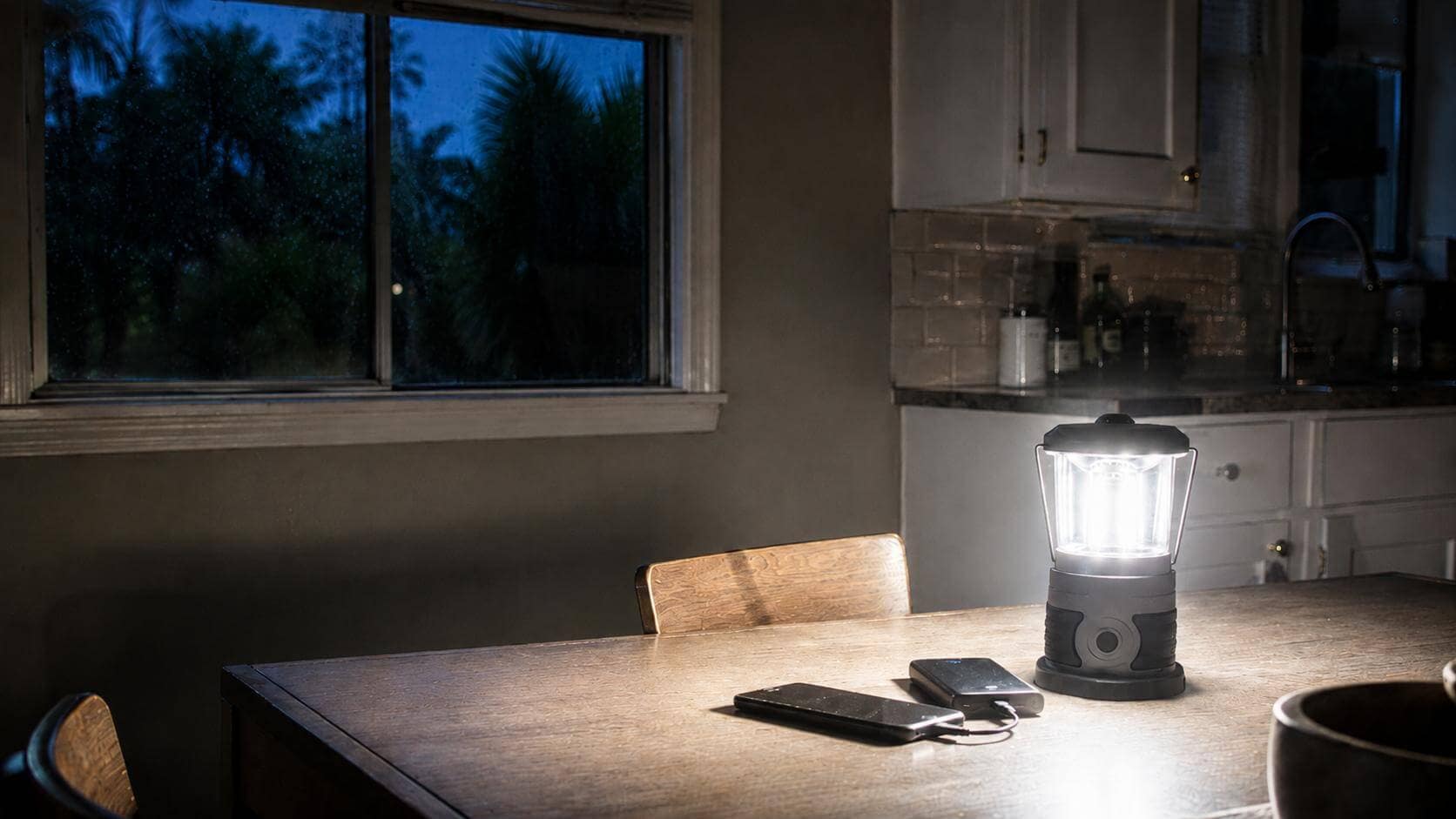
Hurricane season is a good reminder that a power outage can happen with little warning—and last much longer than expected.
If a major storm is in the forecast, a little preparation can make the hours or days without electricity much easier to manage. You don't need an elaborate setup. Start with the essentials: water, food, medications, communication, backup charging, and reliable lighting.
This power outage checklist covers what to get ready before the storm, how to prepare your emergency lighting, and what to do if the power goes out.
Quick Hurricane Power Outage Checklist
Before severe weather arrives, make sure you have:
- Drinking water and nonperishable food
- Essential medications and basic first-aid supplies
- Fully charged phones and power banks
- A battery-powered or hand-crank weather radio
- Flashlights, lanterns, headlamps, or other emergency lights
- Fresh replacement batteries
- Charging cables and a vehicle charger
- A full tank of gas or a charged EV
- A household communication plan
Ready.gov recommends planning for batteries, alternative power sources, medical needs, food and water, and communication before an outage occurs. Official power outage guidance
Before a Hurricane: Prepare Your Home and Power Outage Kit
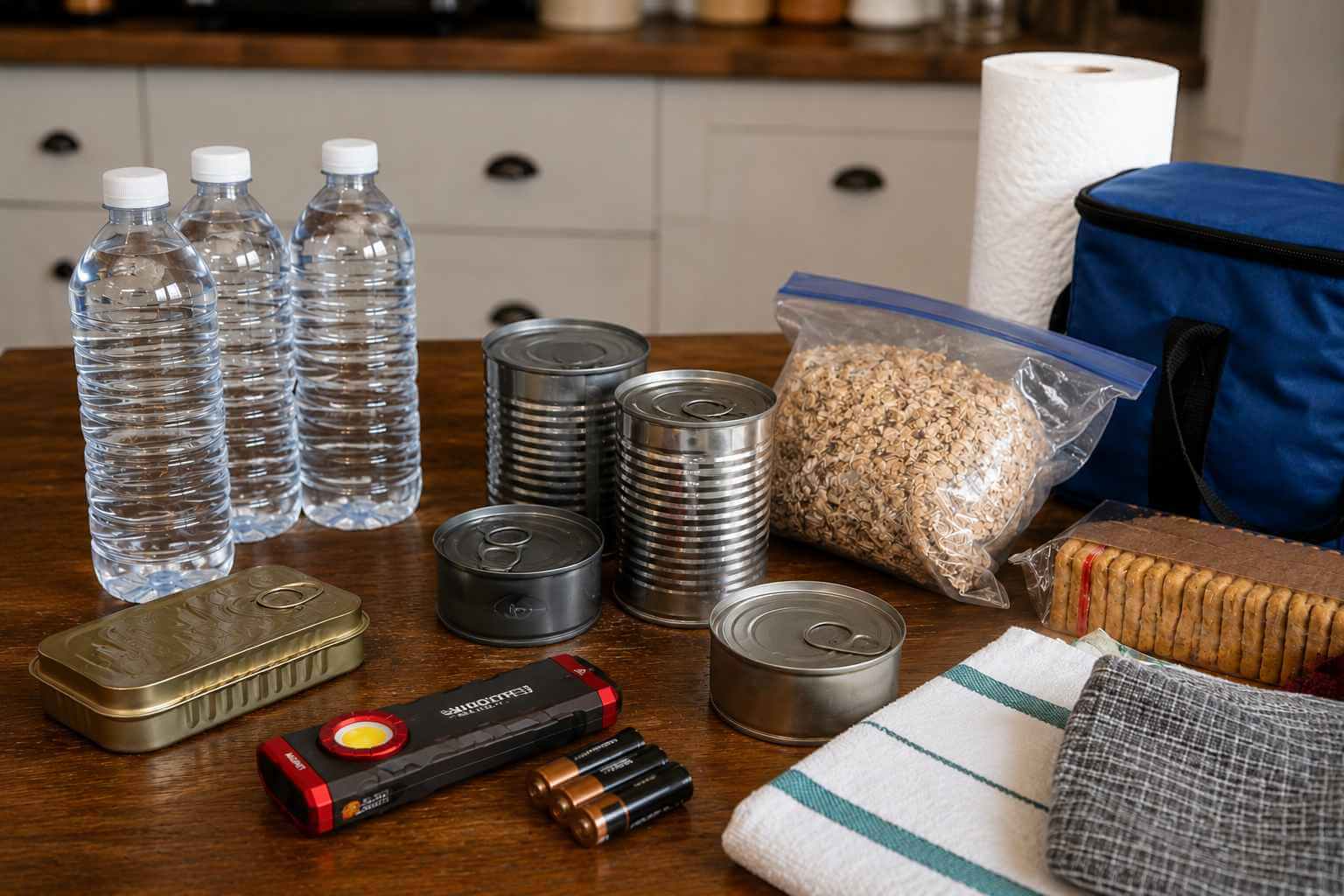
The easiest time to prepare for a power outage is while the power is still on and stores, roads, and charging options are still available.
When a hurricane is approaching, finish charging lights and power banks before winds and flooding make travel, shopping, or recharging harder. Put emergency lights where people can reach them without crossing a dark home, and make sure everyone knows the main gathering area and backup charging plan.
Stock the Basics
Your power outage emergency kit should cover the things your household depends on every day. Start with drinking water and food that does not require refrigeration or complicated cooking. Keep a manual can opener handy if canned food is part of your supply.
Check prescriptions and other essential medications before the storm.
A battery-powered or hand-crank radio can also help you receive weather and emergency information if cellular service or home internet becomes unreliable.
The American Red Cross advises households to gather food, water, medicine, backup batteries, chargers, and communication supplies before services are disrupted. Red Cross power outage safety guidance
Charge What You May Need
If severe weather is approaching, charge electronics and rechargeable emergency equipment early. That includes:
- Phones
- Power banks
- Rechargeable flashlights
- Headlamps
- Lanterns
- Work lights
- Other rechargeable emergency equipment
For lights that use replaceable batteries, test the batteries now and keep fresh spares nearby.
Try not to depend on a single charging method. Rechargeable lights are convenient while electricity is available, while replaceable-battery lights can provide useful redundancy during a longer outage when recharging is limited.
Hurricane outages can also outlast your first charge cycle. A practical setup combines rechargeable lighting with backup power or replaceable-battery options, then uses lower brightness for routine room lighting so higher-output modes remain available for short inspections and tasks.
Get Your Vehicle and Refrigerator Ready
Fill your gas tank before conditions worsen, or fully charge your EV if possible. Fuel stations and charging locations may be unavailable during a widespread outage.
Once the power goes out, keep refrigerator and freezer doors closed as much as possible. Ready.gov says an unopened refrigerator can generally keep food cold for about four hours, while a full freezer can maintain a safe temperature for about 48 hours. Use a food thermometer when possible and follow official food-safety guidance if you are unsure whether food is still safe.
Emergency Lighting for Hurricane Power Outages: What to Have Ready
Food and water are obvious emergency supplies. Lighting is easier to overlook—until you're trying to walk downstairs, find medication, check a breaker area, or move through a dark home.
CDC emergency-preparedness guidance includes flashlights, headlamps, and battery-powered lanterns as useful emergency lighting options. CDC power source preparedness guidance
For most homes, a practical emergency lighting setup should cover three jobs: area lighting, portable directional lighting, and hands-free task lighting.
Match the Light to the Situation
Instead of buying several lights that do the same thing, choose a small mix that covers the situations you are most likely to face during a blackout.
Situation | Useful Lighting Type | Why It Helps |
Living room, kitchen, bedroom | Lantern or wide-area light | Provides comfortable, hands-free illumination for a shared space. |
Hallways, stairs, moving room to room | Flashlight | A directional beam helps you see where you are walking and inspect specific areas. |
Repairs, utility areas, garage tasks | Headlamp or magnetic work light | Keeps both hands free while you carry supplies or work on a task. |
Longer outages | Rechargeable + replaceable-battery mix | Reduces dependence on one charging method and gives you backup options. |
Preserving phone battery | Dedicated flashlight or lantern | Keeps your phone available for alerts, calls, messages, and outage information. |
Area Lighting for the Rooms You Use
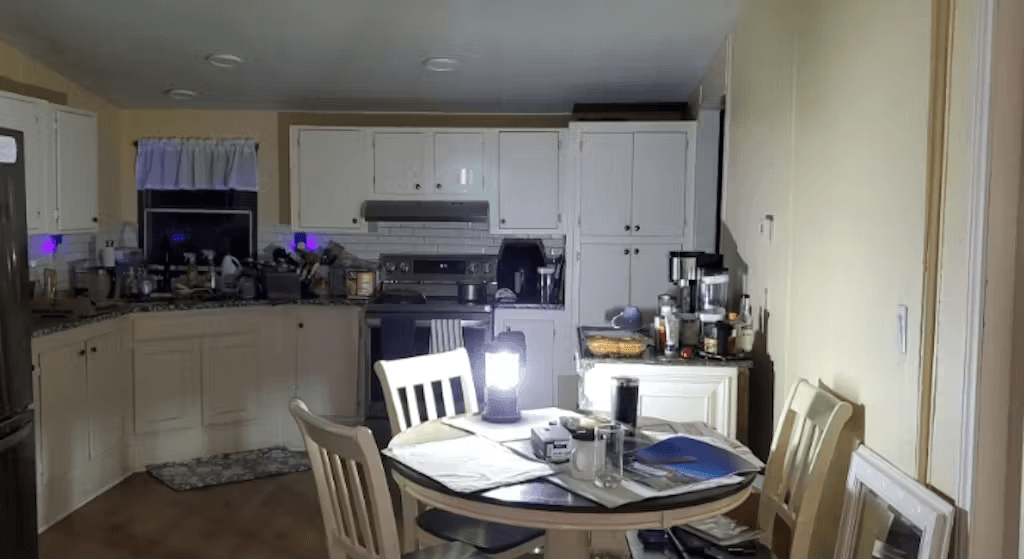
A flashlight is useful for seeing where you're going, but holding one for hours is not practical. For a living room, kitchen, bedroom, or other shared space, a lantern or wide-area light provides more comfortable general illumination. For comfortable room lighting during an outage, the HOKOLITE INNOFOX C7 Camping Lantern provides even, wide-area illumination with adjustable brightness, making it practical for living rooms, kitchens, bedrooms, or other shared spaces.
You do not need every room in the house brightly lit. During an extended outage, set up one main gathering area and light that space as needed. Adjustable brightness is useful because lower output is often enough for routine activities and can help conserve battery power.
Portable Lighting for Moving Around
Keep at least one flashlight somewhere you can reach easily. A portable light is especially useful for:
- Hallways and stairs
- Bathrooms
- Finding supplies
- Moving between rooms
- Checking a specific area
Consider where you store it, too. A flashlight buried in a garage drawer will not help much if the power goes out while you're upstairs. Keep one near a bedroom or another easy-to-reach location so you do not have to cross a dark house to find it.
Choose a Flashlight That Fits the Situation
Different flashlight sizes work better for different needs during a power outage:
- For maximum visibility: The HOKOLITE 6740 6000-Lumen Flashlight provides powerful long-range light for checking garages, yards, and larger dark areas.
- For everyday carry: The HOKOLITE Lexall E5 EDC Flashlight is compact enough to keep in a pocket or emergency bag for moving around the house.
- For a compact backup: The HOKOLITE CLAKAP P5 7-in-1 Pen Flashlight clips easily to a pocket or clothing for quick close-up lighting.
Hands-Free Lighting for Tasks
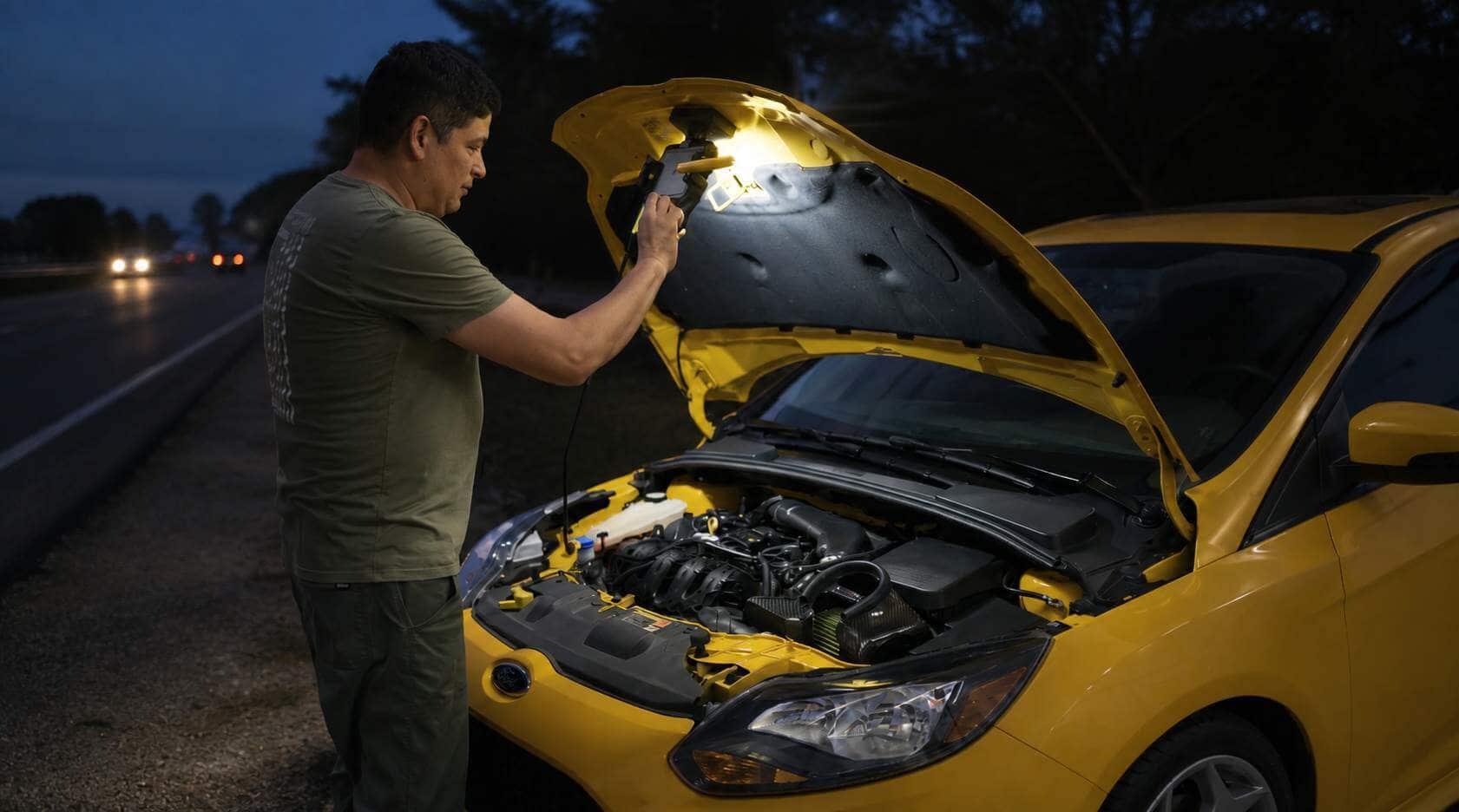
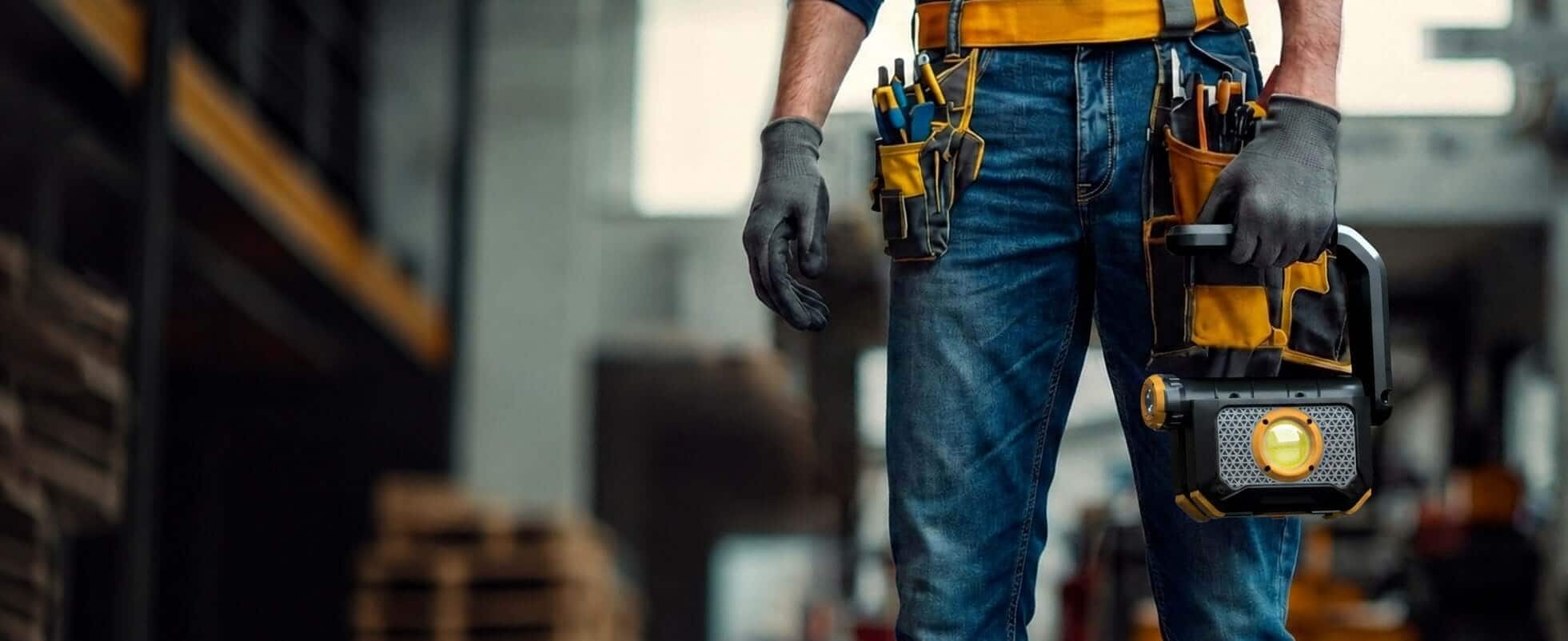
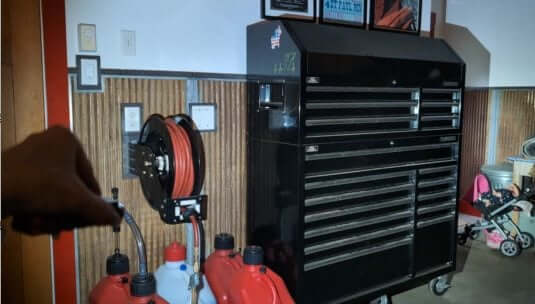
Some situations are easier when both hands are free. A headlamp, magnetic work light, or positionable task light can help when you are carrying supplies, checking a utility area, looking under a sink, or working in the garage.
A simple setup that covers area lighting, portable lighting, and hands-free lighting is usually more useful than owning several lights that all serve the same purpose.
If you are deciding which type of light makes sense for each situation, our Best Emergency Lights for Power Outages guide goes deeper into lanterns, flashlights, headlamps, and work lights.
Hands-Free Options for Different Tasks
For hands-free lighting during an outage, different designs suit different situations:
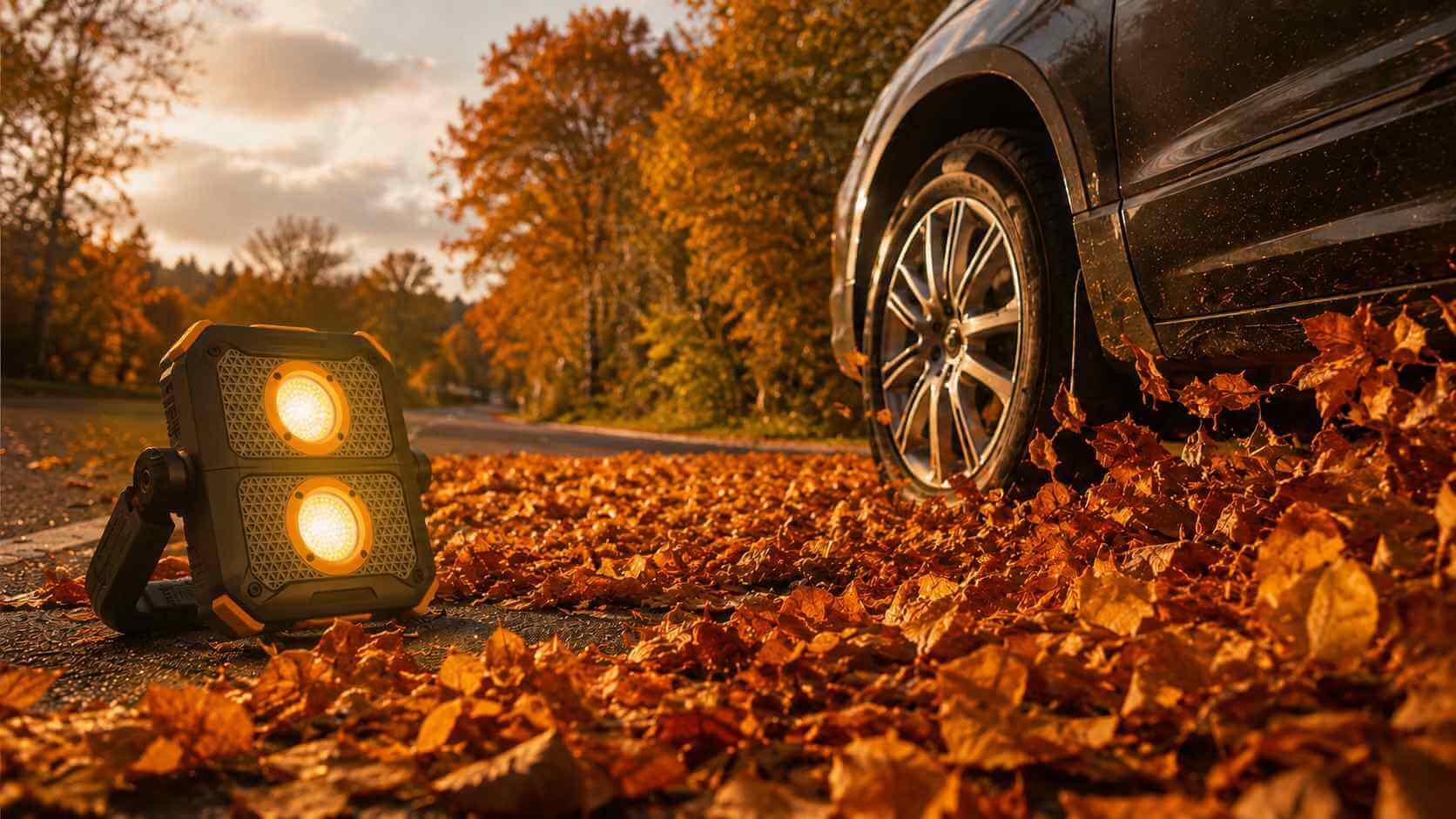
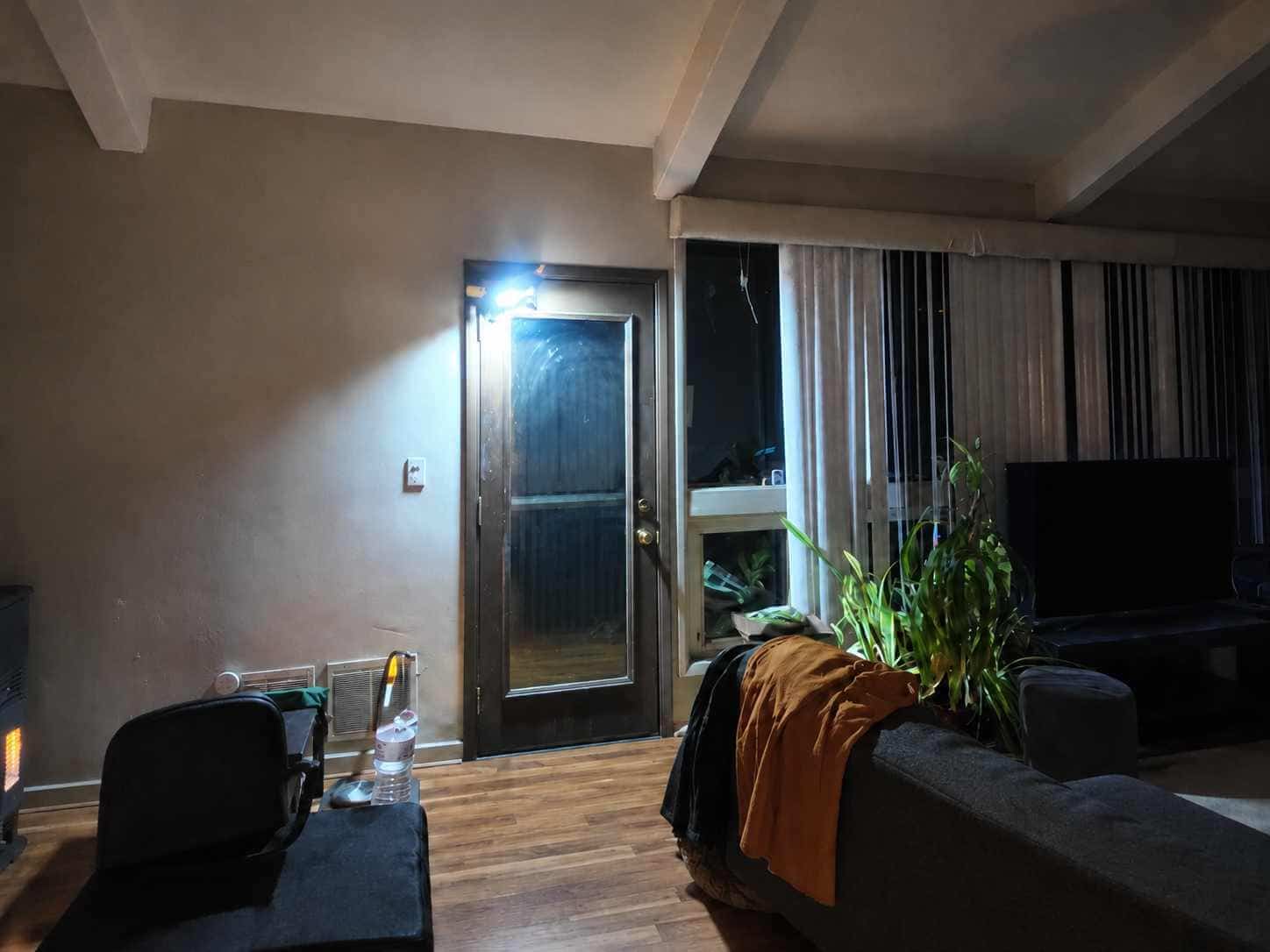
- For flexible work lighting: The HOKOLITE YZONI W5 Rechargeable Work Light provides high-output lighting with three independently controlled light panels, multiple positioning options, and a built-in power bank for charging small devices.
- For wearable lighting: The HOKOLITE 6680 Headlamp keeps both hands free, making it useful for moving through dark areas, checking utilities, or handling basic tasks during an outage.
Test Your Emergency Lights Before You Need Them
Do not assume a light is ready just because it is sitting in your emergency kit. Before the storm:
- Turn it on
- Check the battery level
- Test the brightness settings
- Make sure the charging cable works
- Replace weak batteries
- Check hooks, clips, stands, or magnetic mounts
- Put the light back in a location everyone knows
During a Hurricane Power Outage: Use Batteries and Backup Power Wisely
Once the power goes out, you may not know whether electricity will return in an hour or the next day. Treat battery life and charging capacity as limited resources until you know more.
Don't Light the Entire House
Start with the room your household is actually using. Use an area light there, then use a flashlight or headlamp when someone needs to move through another part of the house. This gives you usable light without running several devices continuously.
Save Maximum Brightness for When You Need It
More lumens are not always better during a long outage. High-output modes make sense when you are checking a dark area or need more visibility for a specific task. For sitting, eating, talking, or general room lighting, a lower setting is often enough and can help batteries last longer.
Save Your Phone Battery for Communication
Your phone has a flashlight, but during severe weather it may be more valuable as a communication tool. You may need it for:
- Emergency alerts
- Weather updates
- Calls and messages
- Utility outage information
- Local instructions
Using a dedicated flashlight or lantern for lighting helps preserve phone battery for the functions only your phone can provide.
After the Hurricane: Power Outage and Electrical Safety
The hurricane may have passed, but the outage - and some of the hazards associated with storm damage - can remain. Continue following local alerts and utility instructions before going outside or inspecting damaged areas.
Watch for:
- Standing water
- Fallen branches
- Damaged structures
- Downed power lines
- Wet electrical equipment
A flashlight or work light can help you see a hazard. It does not make the area safe.
Never touch a fallen power line or enter flooded areas where electrical equipment may be present. CDC and Ready.gov both warn about electrical hazards after outages and severe weather. If an area looks unsafe, keep your distance and follow instructions from local authorities or the utility company.
Once power has been restored and conditions are safe, reset your emergency supplies. Recharge lights and power banks, replace used batteries, restock food and water, and put emergency equipment back where it belongs.
It is also a good time to review what worked:
- Did everyone know where the flashlights were?
- Did you have enough lighting for the rooms you actually used?
- Did your batteries last long enough?
- Was anything important missing from your emergency kit?
Use what you learned to make the next power outage easier to manage.
Start with the basics: water, food, medications, communication, and backup power. Then make dependable emergency lighting part of the plan. Charge rechargeable lights, check replacement batteries, keep flashlights where they are easy to reach, and have lighting options for shared rooms, movement, and hands-free tasks.
A little preparation before severe weather arrives can make a dark house much easier to manage when the power actually goes out.