Table of Contents
- The Short Answer: Your Best All-Around Choice
- Choosing Your Style: Portable vs. Cordless vs. Magnetic vs. Tripod
- How much power do you actually need?
- Rechargeable vs. Battery vs. Corded Work Lights
- Will a Magnetic Work Light Stay in Place While You Work?
- Key Features to Look For in a DIY Work Light
- Match the Work Light to the Job
There is always that one home repair that looks simple—tighten a cabinet hinge, check a leak under the sink, replace a garage shelf bracket—until you realize you are working in a shadow. That is usually when the phone flashlight comes out, rolls away, dies at 12%, or somehow points everywhere except where you need it.
A good work light changes that. The best work light for home repairs should do more than just get bright. It should help you see clearly, work hands-free, move from room to garage without a cord, and stay comfortable to use during longer DIY projects.
In this guide, we'll skip the fluff and break down what actually matters when shopping for a DIY light—from balancing lumens and deciding between cordless or plug-in models, to mastering magnetic mounting and avoiding eye strain.
The Short Answer: Your Best All-Around Choice
If you want one single tool to wipe out 90% of your household lighting headaches, just buy a cordless, rechargeable LED work light. Don't overthink it—look for something with variable brightness levels and a reliable hands-free mounting setup, like integrated swivel hooks or heavy-duty magnets.
Choosing Your Style: Portable vs. Cordless vs. Magnetic vs. Tripod
Let’s face it—a massive light built to illuminate a whole garage wall is going to be completely useless when you're squeezed under a crawlspace chasing a leak. Lighting gear isn't one-size-fits-all. Before picking a style, map out your immediate workspace: How much ground do you need to cover? Are you working around steel? Do you need both hands on your tools?
Here is how the most common options shake out for real-world projects:
| Type of Work Light | Best For | Why It Matters for DIY | ||||||
| Portable | Quick household fixes & furniture builds | Lightweight and simple to carry from room to room. | ||||||
| Cordless | Sheds, attics, and outdoor emergency repairs | Zero reliance on wall outlets or dragging extension cords around. | ||||||
| Rechargeable | Regular DIY sessions & storm prep | Cuts out ongoing battery costs and stays topped off in your drawer. | ||||||
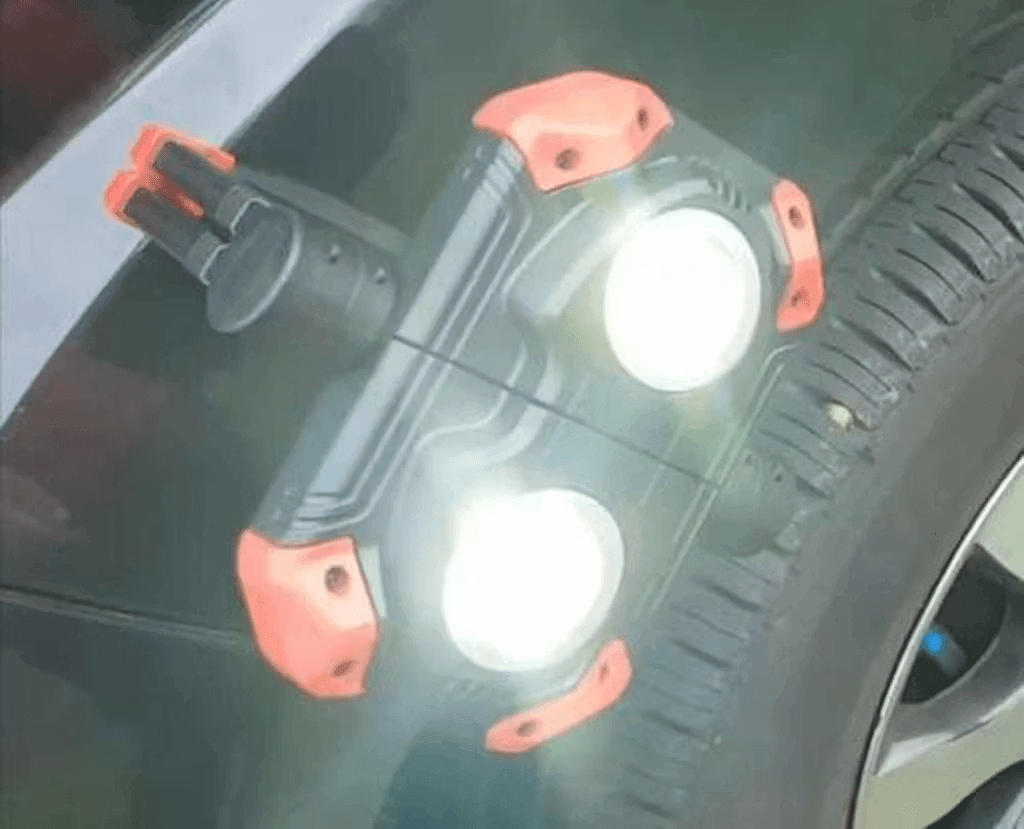
| Magnetic | Wrenching on cars & metal toolbenches | Snaps instantly onto steel surfaces to keep your hands free. | ||||||
| Tripod | Home painting & major renovations | Elevates the light source to wash an entire room with brightness. | ||||||
| Underhood | Deep engine bay maintenance | Spans the width of your car hood so you can see the whole block. |
If you’re just starting to build out a home toolkit, kicking things off with a compact, cordless rechargeable unit is a bulletproof choice.
How much power do you actually need?
Skip the confusing spec sheets and use this quick checklist:
| DIY Area or Task | Recommended Lumens | Why It Works | ||||||
| Drawers, cabinets, and under-sink repairs | 200–500 lumens | Good for close-up work where too much brightness can feel harsh | ||||||
| Furniture assembly and small home repairs | 500–1,000 lumens | Bright enough to see screws, edges, brackets, and small parts | ||||||
| Garage workbench projects | 1,000–2,000 lumens | Helps cover the work surface and nearby tools without relying on ceiling lights | ||||||
| Car repairs or underhood work | 1,000–3,000 lumens | Useful for engine bays, tire changes, and hands-free work around the vehicle | ||||||
| Large garages, basements, or remodeling areas | 3,000+ lumens | Better for lighting a wider space or pairing with multiple work lights |
These lumen ranges are practical buying guidelines, not strict lighting-code requirements. The right brightness also depends on distance, beam spread, room size, and whether you are using the work light as focused task lighting or general area lighting.
What Makes a Work Light More Comfortable for Your Eyes?
A high-output beam is great on paper, but blinding brightness can quickly ruin a project. When you're stuck into a long DIY session, the goal is a perfectly lit workspace free from harsh glare, pitch-black shadows, or beams pointing directly at your face.
If you want a light that won't leave you with a headache after a few hours of work, keep an eye out for these features:
💡Adjustable brightness
You rarely need max power for every single job. Dialing it down keeps close-up work inside a tight cabinet or under a sink manageable, while saving the full-throttle brightness for open garage tasks and car repairs.
💡Wide, Seamless Coverage
Skip the tight, piercing hot-spots. A broad, even flood beam is way easier on the eyes, washing out hard shadows across your entire immediate work area.
💡A Natural Color Temperature
For serious DIY, aiming for a clean white output around 5000K feels completely natural—it gives you great color accuracy without leaning too orange or looking overly blue and sterile.
💡Smart Placement Angles
Position the LED head so it aims directly at the project, not your eyes. This is crucial in tight crawlspaces where looking directly into the diode is bound to cause eye strain.
💡Hands-free setup
A magnetic base, hook, or stand can help keep the light steady and pointed where you need it, instead of forcing you to hold a flashlight while working.
At the end of the day, a well-designed rechargeable light should make your workspace clear, keep your hands entirely free, and eliminate eye fatigue even during grueling home repairs.
Rechargeable vs. Battery vs. Corded Work Lights
Your light's power source dictates how you use it just as much as its lumen count. The ideal setup should slide seamlessly into your actual working style—whether you're tethered to a garage bench, crawling under the floorboards, or managing a massive outdoor project.
| Type of Work Light | Pros | Cons | Best For |
|---|---|---|---|
| Rechargeable Work Light | Portable, cordless, saves money on replacement batteries, easy to recharge between projects | Needs to be charged before use | DIY projects, garage work, camping, home backup |
| Battery Work Light | Can run longer if you keep spare batteries nearby; no waiting for a recharge | Sudden power drops; zero battery status indicators; ongoing replacement costs | Occasional repairs, backup drawers, emergency kits |
| Corded LED Work Light | Infinite runtime and massive, uncompromised brightness | Completely chained to wall outlets and tangled extension cords | Fixed workbenches, garages, remodeling areas |
For the vast majority of DIYers, a rechargeable unit is the clear winner. You get all the pick-up-and-go convenience of a cordless design without watching your money disappear into a pile of disposable batteries.
Will a Magnetic Work Light Stay in Place While You Work?
Adding a magnetic light to your arsenal is a massive upgrade for auto repairs and hands-free projects, but its actual staying power involves a bit of science.
- Pro Tip for a Solid Hold: Always aim for clean, raw, flat steel surfaces.
In a real workshop, real-world factors come into play: heavy dust, slick oil films, surface rust, thick paint layers, curved sheet metal, and tool vibrations can all weaken a magnet's grip. A light that feels totally locked down on a flat rolling tool chest might slide or flip if you mount it sideways, upside down, or right next to a vibrating engine component.
The best rule of thumb? Give it a quick tug to check the hold before you slide your hands underneath, avoid spots where a stray elbow could knock it loose, and utilize the built-in hook if the metal surface isn't ideal. For serious DIY work, choosing a rechargeable magnetic light that features secondary mounting options (like hooks or clips) is always a safer bet than relying on a magnet alone.
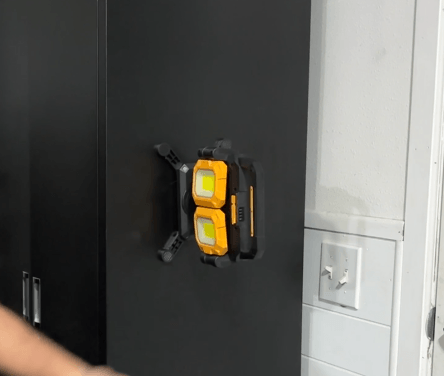
YZONI W5 4000-8000LM Rechargeable Work Light&Power Bank for Car Repair, Garage & Emergencies
$52.99
Built for the Repairs You Do in Your Own Garage. From engine-bay checks and battery changes to wheel-area work and bench repairs, W5 gives home garage DIYers stable, multi-angle lighting without tying up either hand. 6-Magnet Hands-Free Base: Six powerful magnets secure… Read More

Key Features to Look For in a DIY Work Light
A top-tier DIY light needs to be bright, effortlessly adjustable, and quick to carry from one project to the next. Before hitting "buy," make sure it checks off these essential, real-world features:
- Adjustable brightness for close-up fixes and larger garage tasks
- Rechargeable design so you are not constantly replacing batteries
- USB-C charging for easier everyday recharging
- Long runtime for projects that take more than a few minutes
- Magnetic base or hanging hook for hands-free lighting
- Water resistance for garages, outdoor repairs, and damp areas
- Compact size for cabinets, under-sink work, and tight corners
If you're tackling greasy car maintenance, quick home tune-ups, or intricate hands-free DIYing, a versatile, rechargeable magnetic light is the absolute gold standard for blending cordless freedom with flexible placement.
Match the Work Light to the Job
Different DIY jobs need different lighting setups. A small cabinet repair does not need the same light as a garage workbench or a car repair. Before buying, think about where the light will sit, how much space it needs to cover, and whether you need both hands free.
| DIY Job | What Matters Most | Best Work Light Style |
|---|---|---|
| Under-sink or cabinet repairs | Close-up light, compact size | Portable rechargeable work light |
| Garage workbench projects | Wider coverage, steady placement | Rechargeable LED work light |
| Car maintenance | Hands-free use, flexible angles | Magnetic work light |
| Painting or larger rooms | Area coverage | Tripod or area work light |
| Emergency backup | Runtime, easy charging | Rechargeable work light |
For most homeowners, one portable rechargeable work light can handle everyday home repairs. If you also work on cars or metal surfaces, a magnetic work light adds more flexibility.
Ready to upgrade your DIY setup? Shop here👇 Shop Work Lights